
Selmer Saxophone Testing
I recently enjoyed a day in Melbourne with Selmer Paris representative, Angelique Planchat, to test out some equipment. Over two hours I compared mouthpieces, ligatures, reeds and instruments and came away with an updated perspective of what is currently on offer with Selmer.
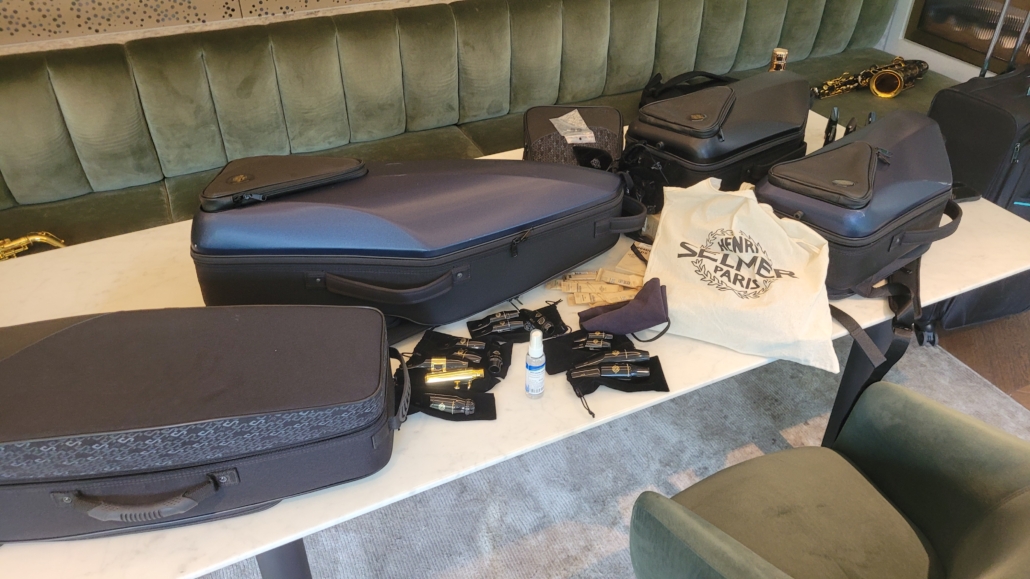
I first started comparing soprano saxophone mouthpieces and very much liked the Concept as an alternative to my Selmer D. I found the tone warm and even across the range and nice dynamic control – a good match for my Yanigasawa for an upcoming performance of Bolero.
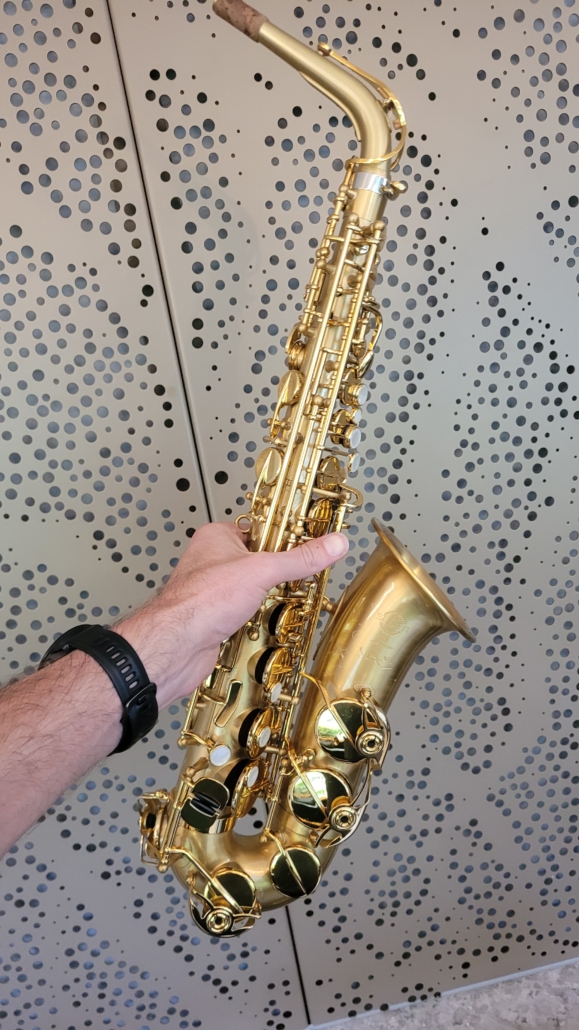
It was then onto the alto saxophones. The Axos is marketed as a premium instrument for students, not quite at the level of a Yamaha 62 but a solid intermediate horn. There was plenty of projection and comfortable ergonomics. The case is an economical version of the Lite case without two of the pockets and the shoulder straps position has changed which made it much less comfortable to wear as a backpack.
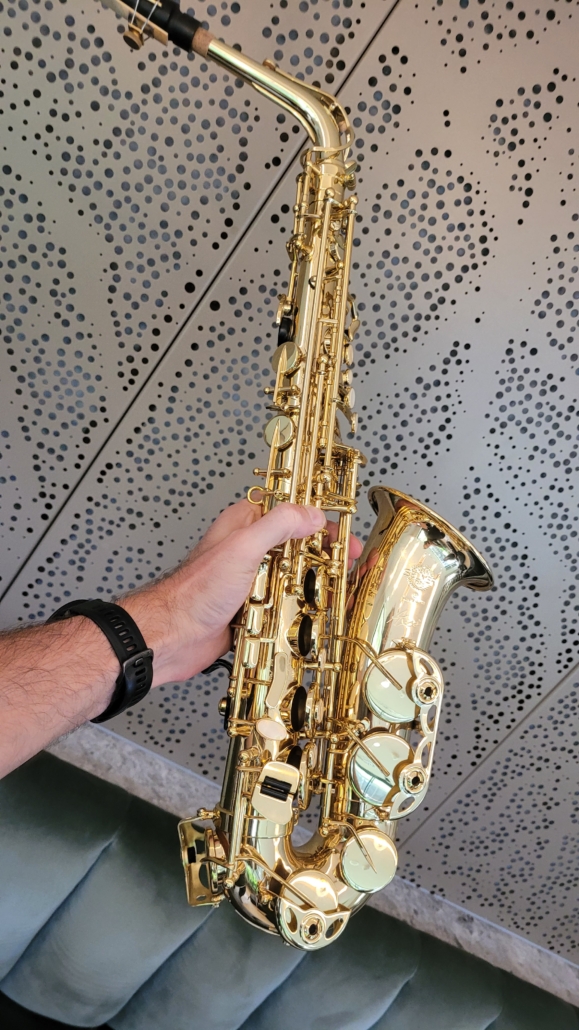
The Signature is positioned as an extension to the Series II and the action was familiar to my current horn. There was more depth in the upper register than the Axos and nice pitching on the low D which can be a challenge on older models. The LH pinky spatula is setup nicely for fluid movements and the low register spoke with ease. It was interesting to see the updated neck receiver that has 3-point concentric tightening, though I haven’t found this to be an issue on my Series II.
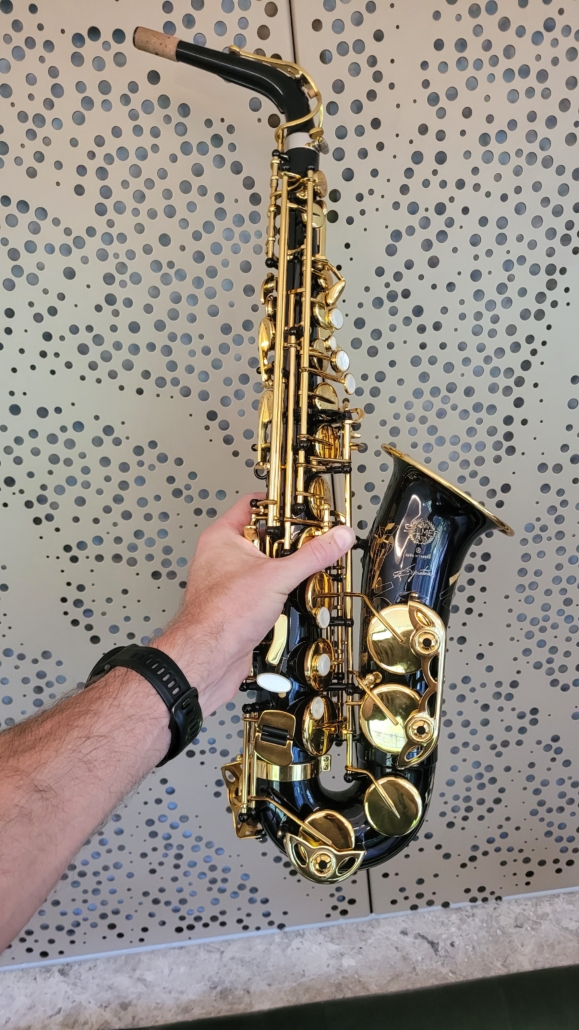
The Supreme is the top of the line model for Selmer with a price tag to match. It was very enjoyable to play with liquid smooth action, wonderful blend across the range and the most solid altissimo register I have tried in an alto. It navigated wide leaps with ease and a quick response to articulation and the intonation is a big step up from the Series II. The new C# correction mechanism has a smaller tone hole than the Series III, didn’t feel quite as weighty and did a nice job pulling up the pitch of that notorious note.
Both the Signature and Supreme come with the updated BAM designed case which has an economical use of storage for sheet music, mouthpieces, reeds and cleaners. The only difference I could tell between them was the colour of the font pocket (blue for the signature, black for the supreme). Due to the change of instrument size, my Series II wouldn’t fit correctly inside as it is a few centimeters longer in the body. Overall, I was happier with the older model Lite case for storage and design. Also, the neck of the Series II is slightly smaller than the two new models so there’s no opportunity for substituting necks like with the Series III and Reference.
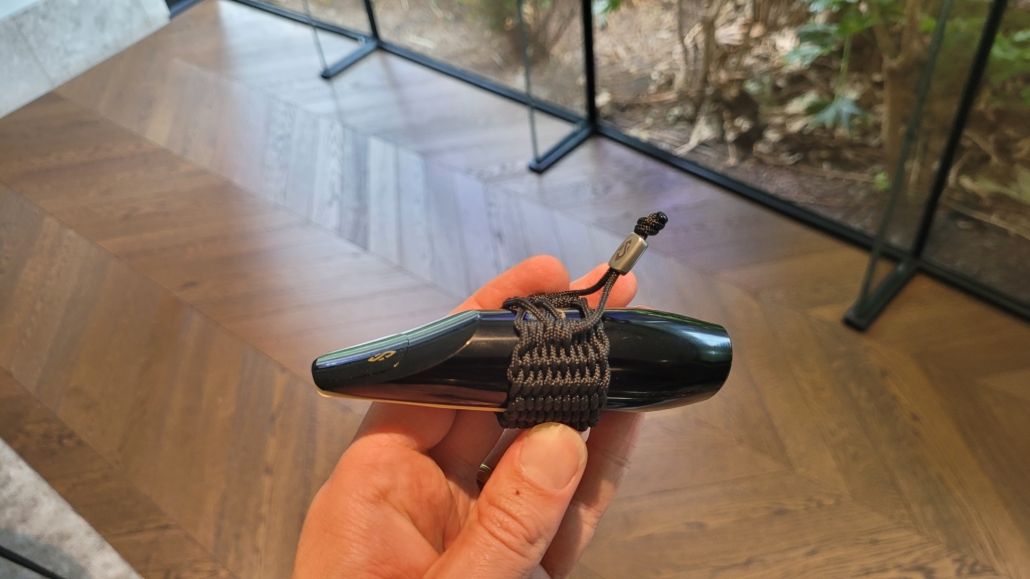
Finally, I tested out the Fibra woven ligatures on my soprano, alto and tenor. They are made of made of nautical cord and aim to promote a freely vibrating reed. If found it was most successful on my tenor saxophone using the concept mouthpiece and selmer jazz reed. I appreciated the .25 size gradations with the reeds and overall found them brighter than the blue box Vandorens. It will be a interesting area to continue to test out and see the consistency over time.
It was a great way to spend a day at Selmer having such a range available to try and their ongoing interest in continuing to refine their products.

