Austin
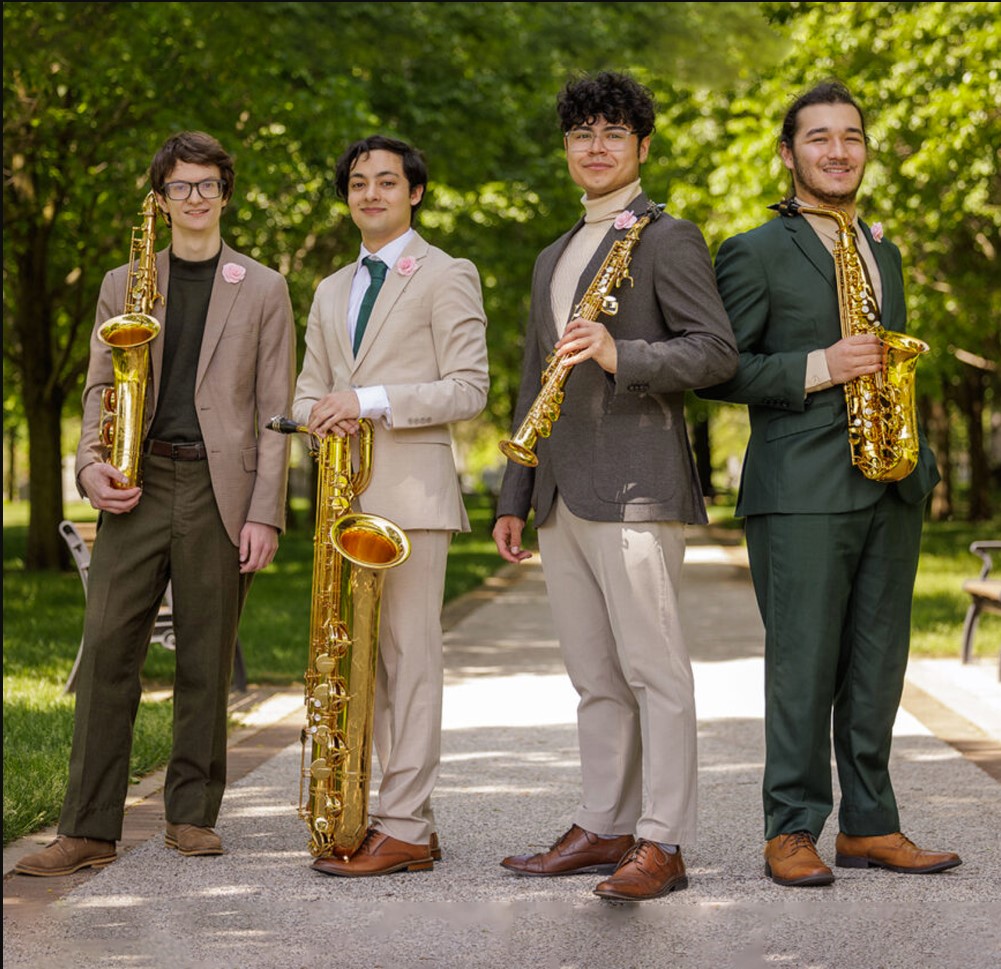
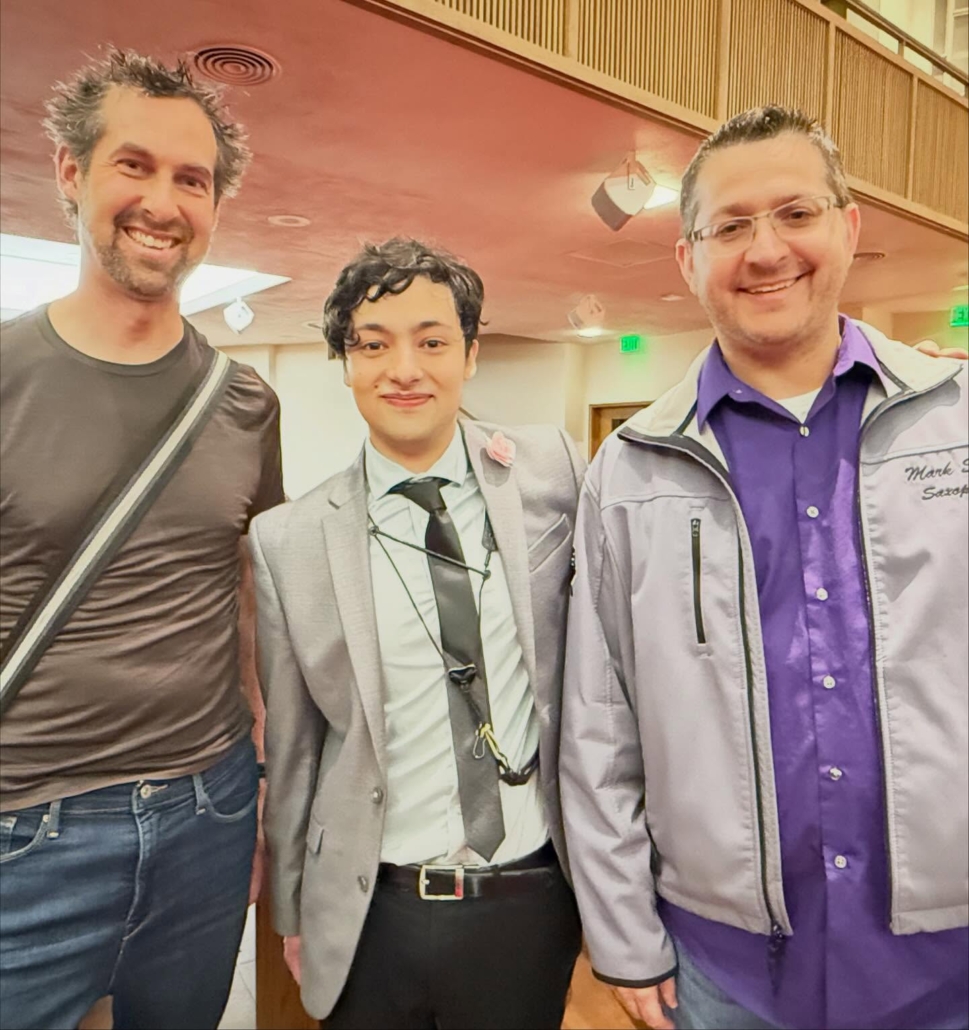
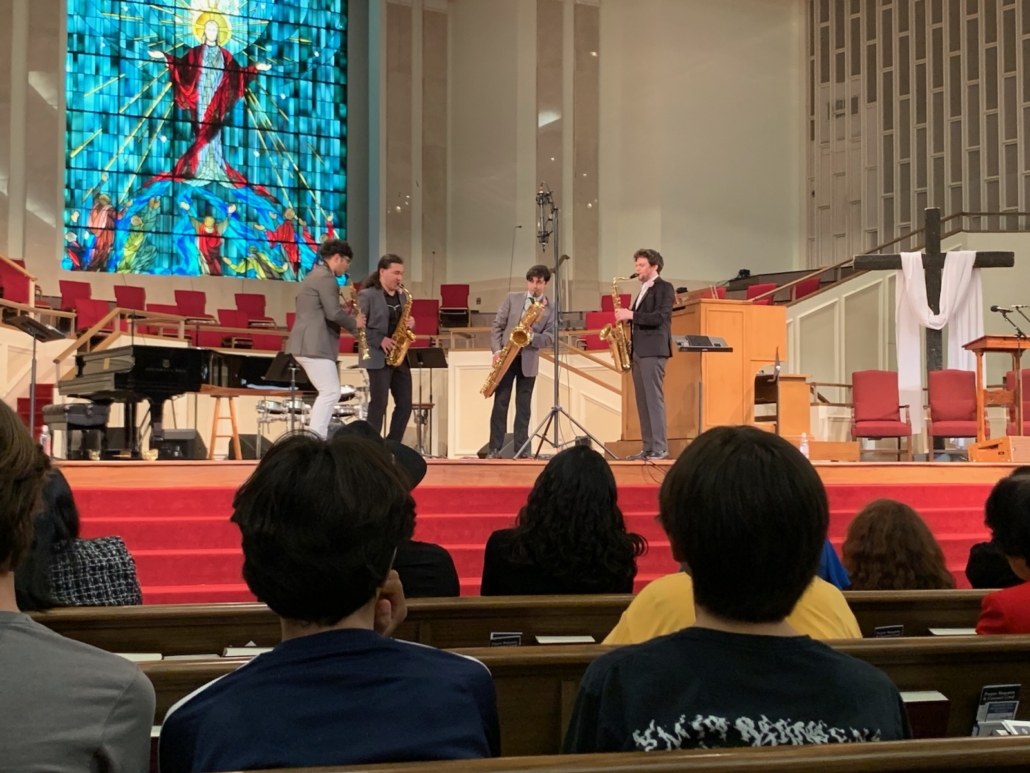
Over the weekend I was fortunate enough to get a lift from Lewisville saxophone expert Mark Smith to go see the Lotus Saxophone Quartet perform in San Antonio. They were awarded the Fischoff Gold Medal in the senior winds division and completing a community outreach and educational masterclass tour. The soprano player, GianCarlo Devanii Lay, was a student of Marks in High School and aside from being an outstanding performer, is also composing some great music for saxophone.
They performed an impressive two hour program, mostly from memory, covering familiar standards from Pierne, Florio and Maslanka alongside newer works with Rogers’ Prodigal Child, Schubring’s Ambivert and Ge’s To Speak as One. Including a number of works by living composers was an enjoyable feature as well as compositions by the members of the quartet including Mojo by Devanii (based on Bruno Mars’ Runaway Baby), Spain by Corea (arranged by Lee) and Longing for Home (composed by Lee). A fantastic concert and a group to keep an eye on!
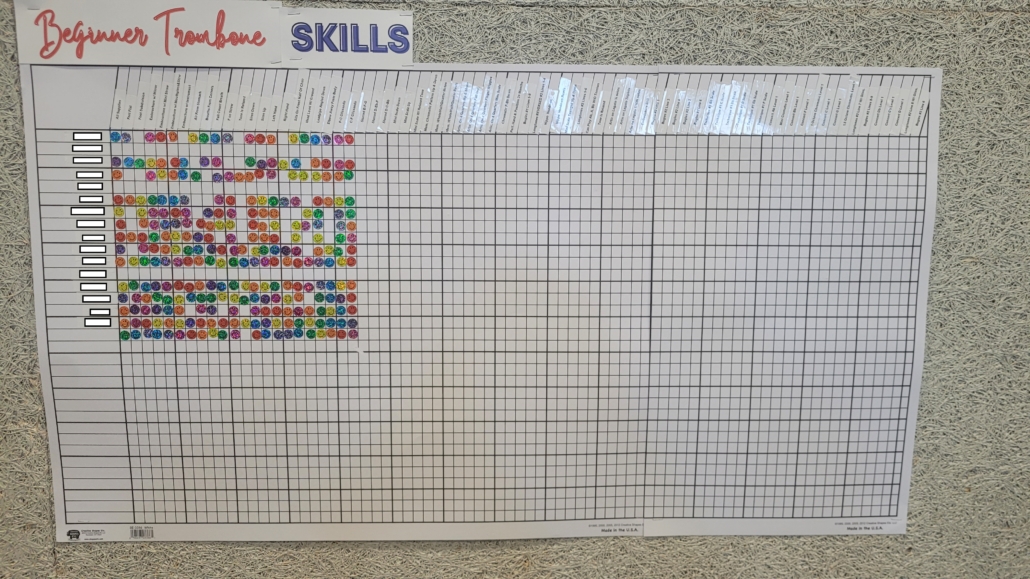
The next morning was spent at Wiley Knox Middle School where their band program includes over 375 students of the 780 cohort. The main rehearsal space was set permanently for a 65 piece wind ensemble and I was impressed with the trumpet sectional coming in 15 minutes early for class and independently setting up quietly with their instrument, music folder and tuner on the stand. The structure of the classes was similar across the instruments, beginning with writing down the weekly assignment, morning notices, fundamentals and repertoire. There was a large sticker chart for each instrument family covering fundamental competencies to be passed. Similar to Lewisville, there was a big focus on tone production through effective air support including using a thickshake straw with the trumpet mouthpiece for buzzing and pitching with the beginners and air breathers for use in the older bands.
Beginner instruction used the familiar adding layers of complexity approach but also included showing your partner a pattern, more individual demonstrations and larger chunks of silent fingering practice. Students give silent feedback throughout by raising their hands and self-mark bars to practice that evening writing a reminder to count or say the names. I particularly liked the bevelled A4 mirrors on the stands of the flute class and how easily their teacher conducted individual tests on 4 bars of Silent Night, giving immediate feedback with an annotated score and practice goals for the second take later in the week. The students in the Concert Band worked towards an excerpt style test that required them to go beyond simply correct notes and rhythms.
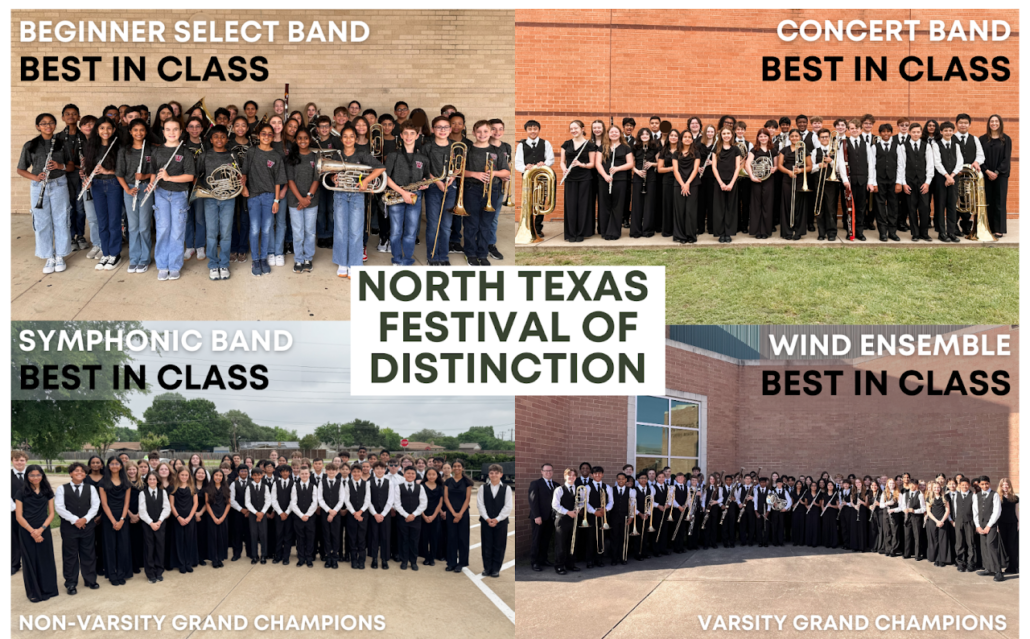
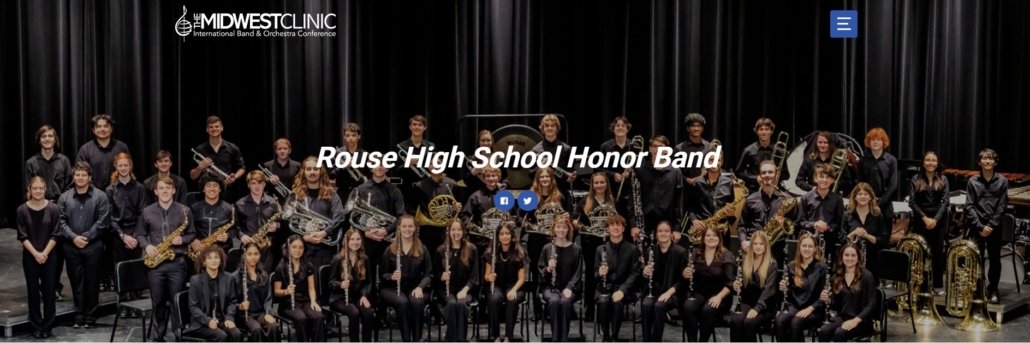
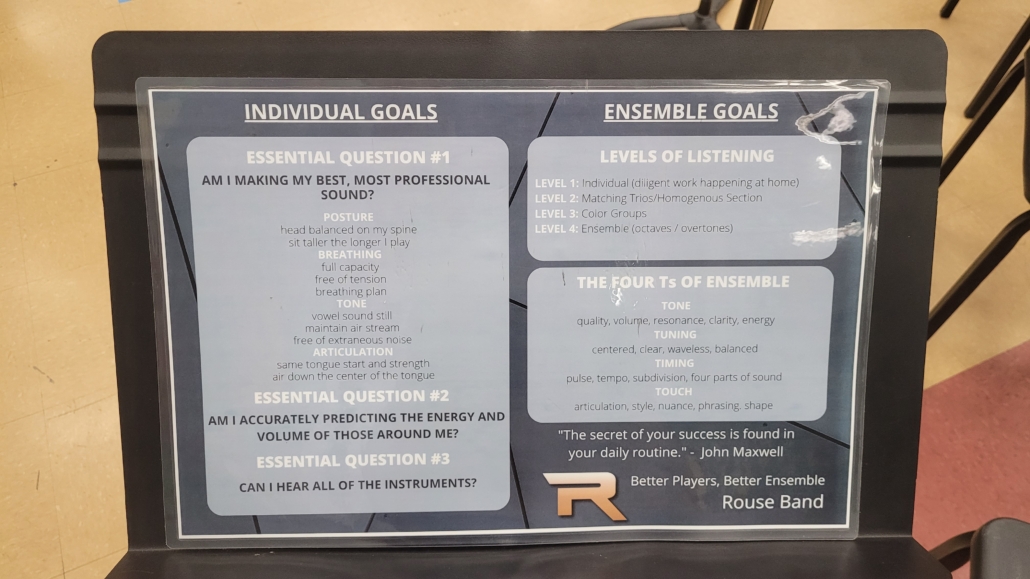
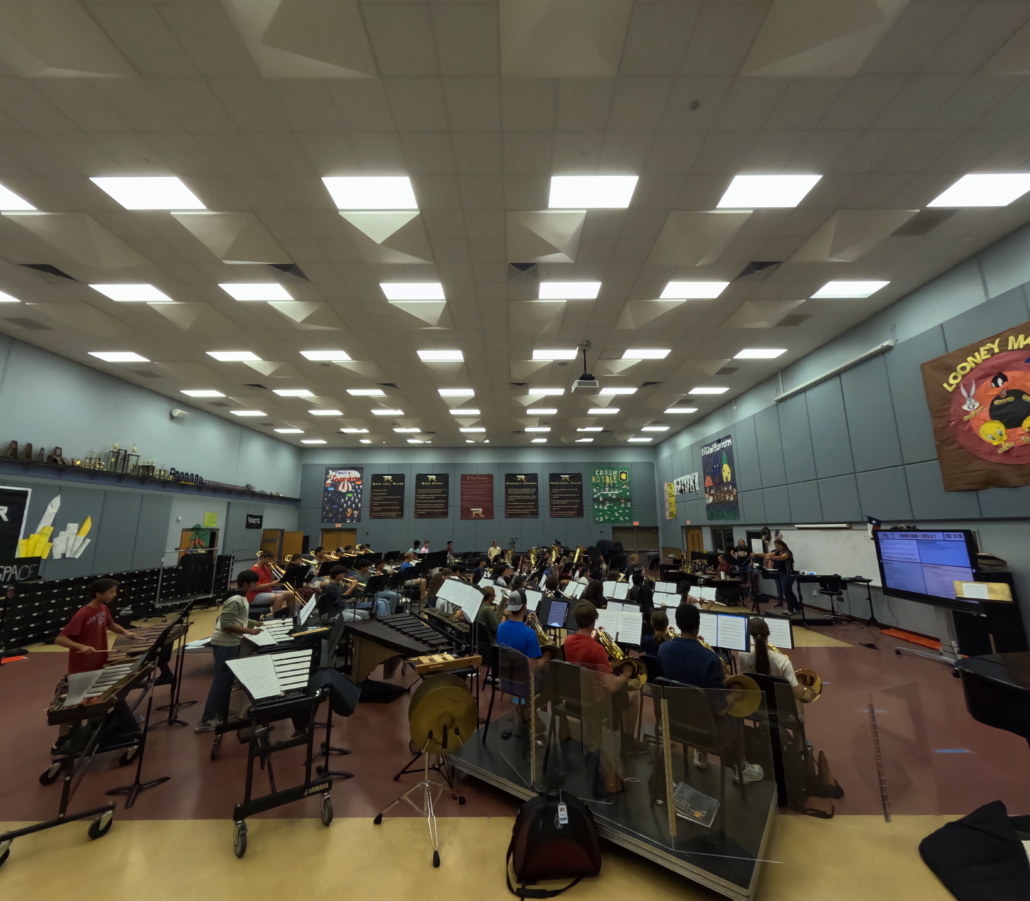
My final school visit was a Rouse High School which has an established culture of excellence in developing the whole child. One of their key quotes is “Champions are champions, not because they do anything extraordinary, but because they do the ordinary things consistently well”. These students develop and maintain consistent routines so they can meet their academic and artistic goals, maintain focus and use their time wisely. The Honours Band was selected to perform at the Texas Music Educators Association Convention, an organisation that has spent over 100 years promoting excellence in Texas music education, and were well on the way with their program of nine works. I enjoyed seeing the team of conductors work with the group (Ryan Johnston, Caitlin Wolf and Anna Bush) where each could give targeted feedback referring to the digital scores that had already been colour coded and marked as well as notes for the next day’s rehearsal. When instrument sections were focusing on mastering an area with the conductor, the other musicians did quiet fingering practice on their all-state etudes. Another concept I liked was “play to hear, not to be heard”.
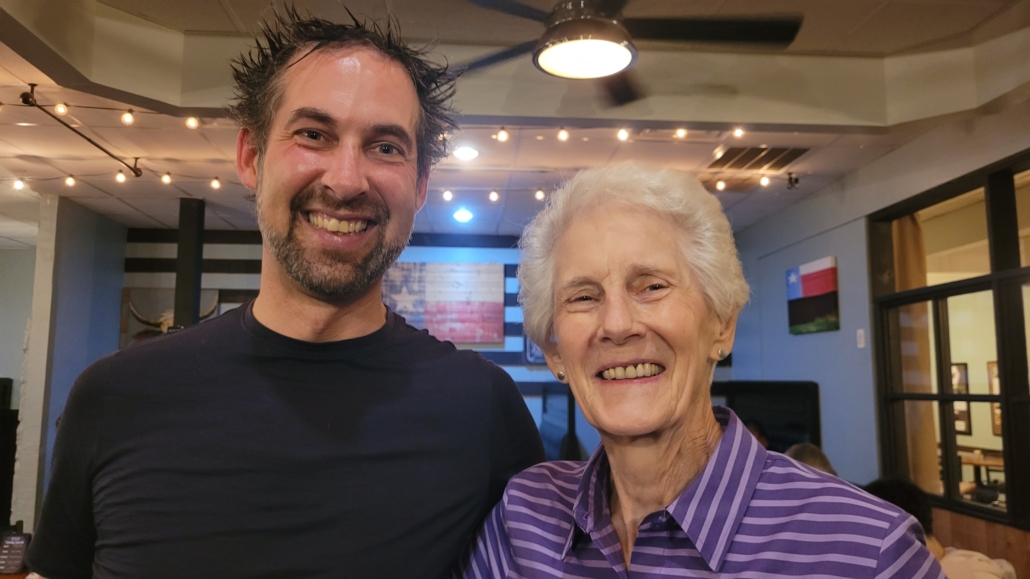
I had a wonderful opportunity to catch-up with music education legend Paula Crider over dinner and enjoyed talking about the development of band programs in Texas. Of particular note was the role marching bands, festivals and competitions play and how the music director sets the tone of how these core aspects are approached. Some influential people have done incredible advocacy work in this state to value and resource music programs fully with one of the most valuable areas being time. Texas also has a well-established support system for their teachers with team-teaching, mentoring, professional development and support with student leadership and parent booster groups. Having good relationships with the Middle School feeders set the High School programs up for success with student mentors and a clear pathway for instrumentalists in the program. I was pleased to share some Australian literature and chocolate with Paula and was chuffed to be given a Longhorns top which I ended up wearing that weekend for the game!
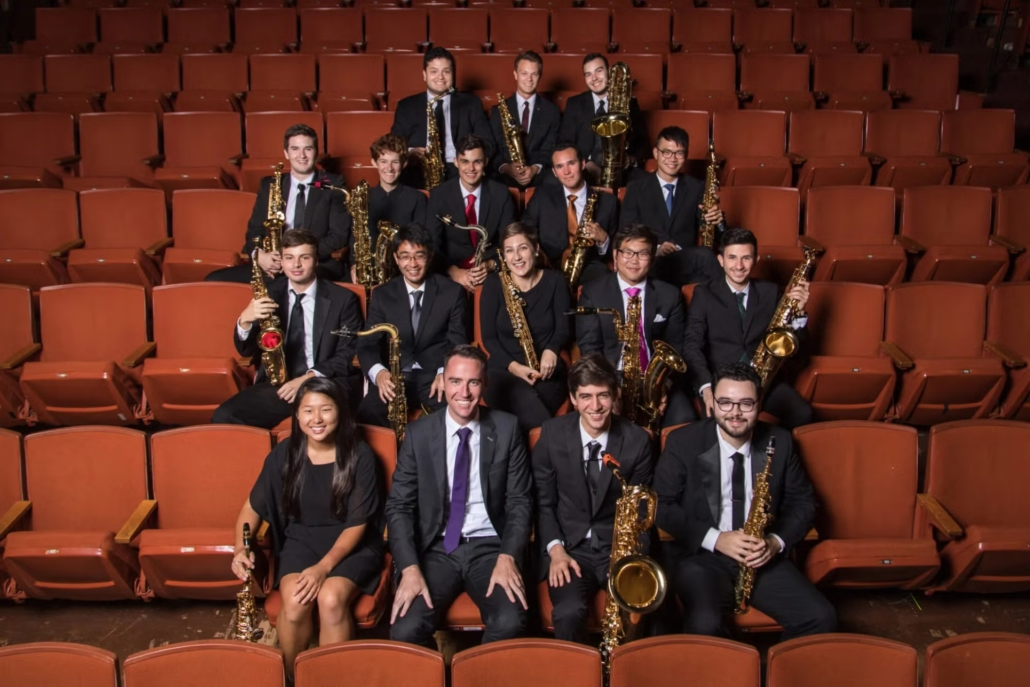
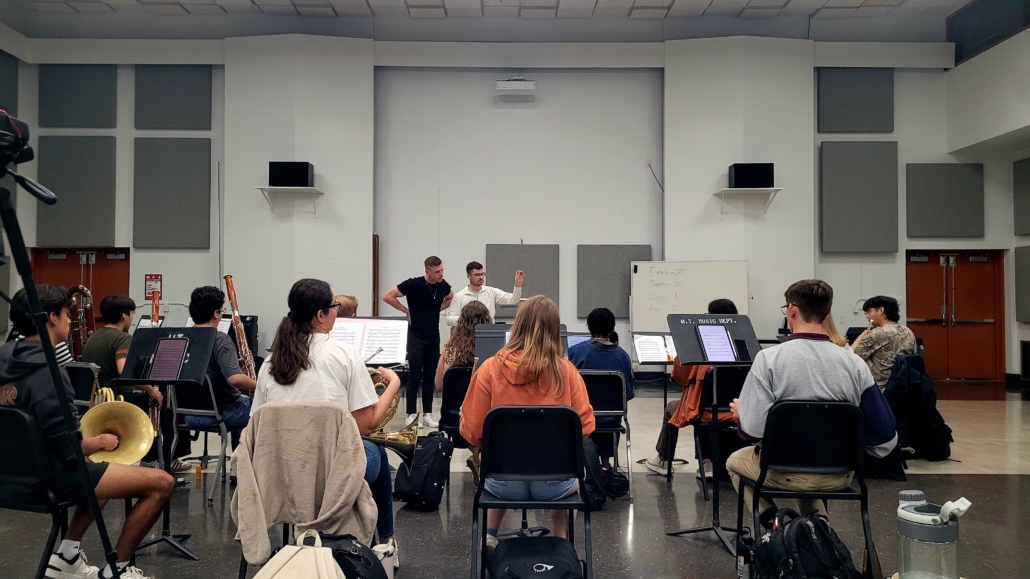
The final visit was to the Butler School of Music at the University of Texas, Austin. Dr Stephen Page has an excellent saxophone studio and I was able to see a number of them perform at teaching assistant Marina Sakellakis’ final DMA recital. Although the wind symphony was not rehearsing, I was able to sit in on a graduate conducting lab with Marc Sosnowchik. The students had prepared Strauss’ Suite in Bb Major for chamber winds and worked with Sosnowchik on style shaping with gesture. They had time to give sections a couple goes, not aiming for perfection today but wanting to unlock certain things that can be further developed in conjunction with looking back over the video footage. Each student needed to be able to articulate what they are trying to achieve at any point in the piece and work on refining their movement to give a concise and effective gesture. I appreciated how they got out of their comfort zone and embraced the new concepts to grow as well as how the players were able to give helpful feedback on what is working for them.